
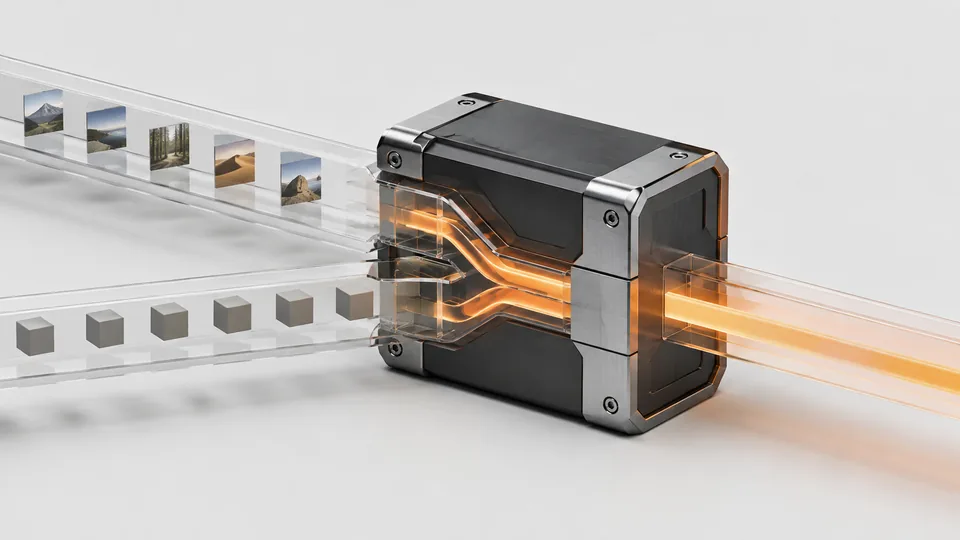
Multimodal fusion inference IP
FS-FusionJoint vision-language understanding (VLM) and multi-sensor fusion, computed in place at the edge.
Native SmolVLM + SegFormer MiT fusion pipeline
Four in-house inference cores cover multimodal fusion, hybrid attention, sparse experts and linear attention, all with FPGA prototyping support.
Joint vision-language understanding (VLM) and multi-sensor fusion, computed in place at the edge.
Native SmolVLM + SegFormer MiT fusion pipeline
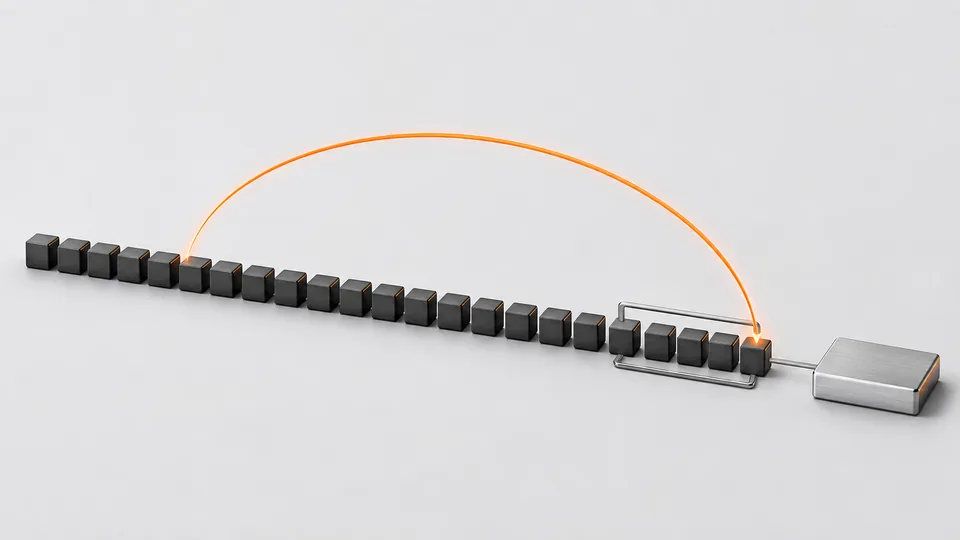
Native support for language models built on hybrid attention, including the gated full-attention layers of the Qwen3.5 family.
Qwen3 / 3.5 (0.6B to 9B) and SmolLM2
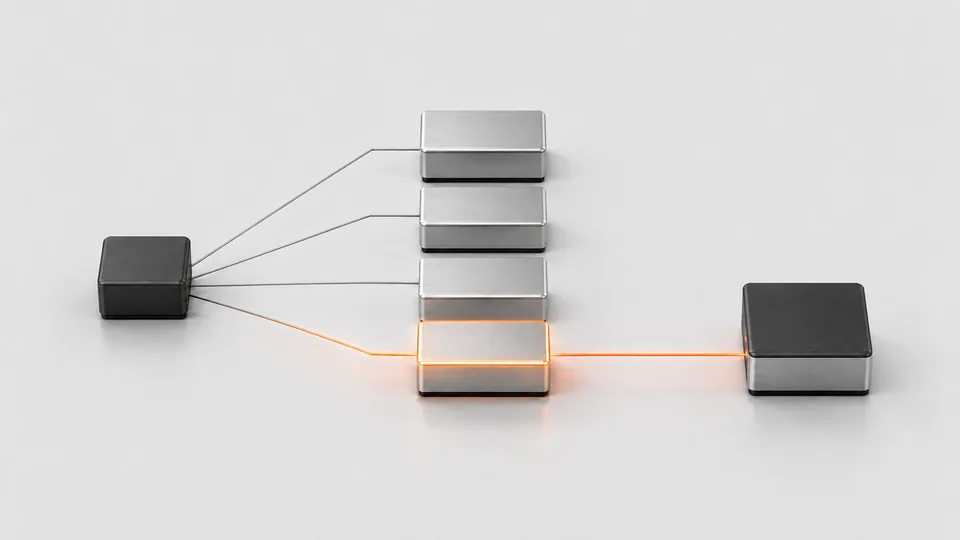
Built for dynamically activated sparse models, carrying large parameter counts within an edge bandwidth budget.
Large sparse models on edge budgets
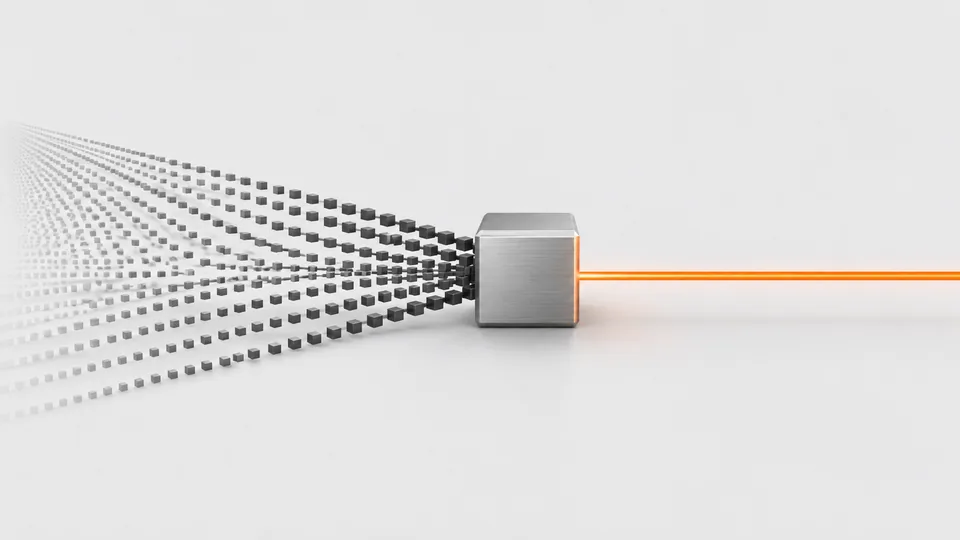
Linear attention and RNN-style architectures led by DeltaNet, including the Gated DeltaNet layers used from Qwen3.5 onwards.
Very low-latency streaming with a fixed-size state, however long the context
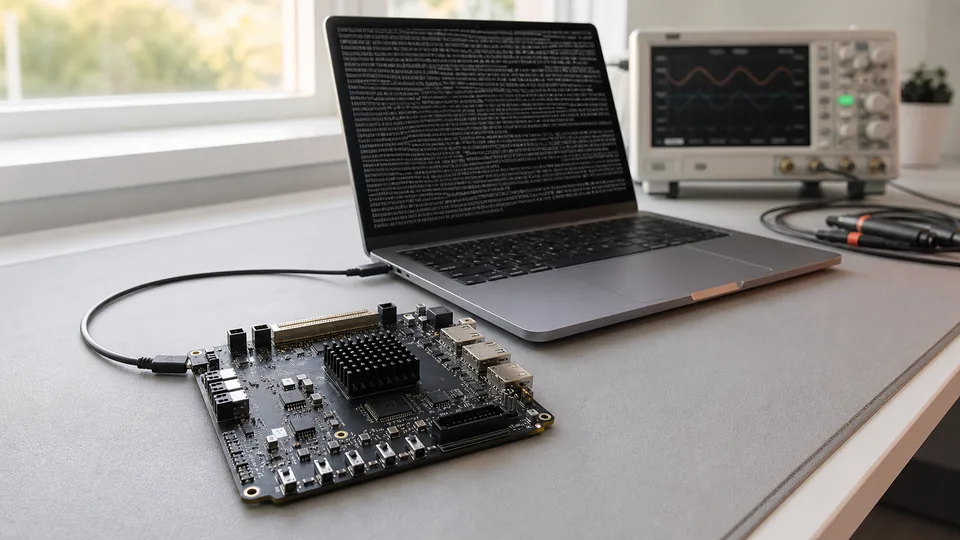
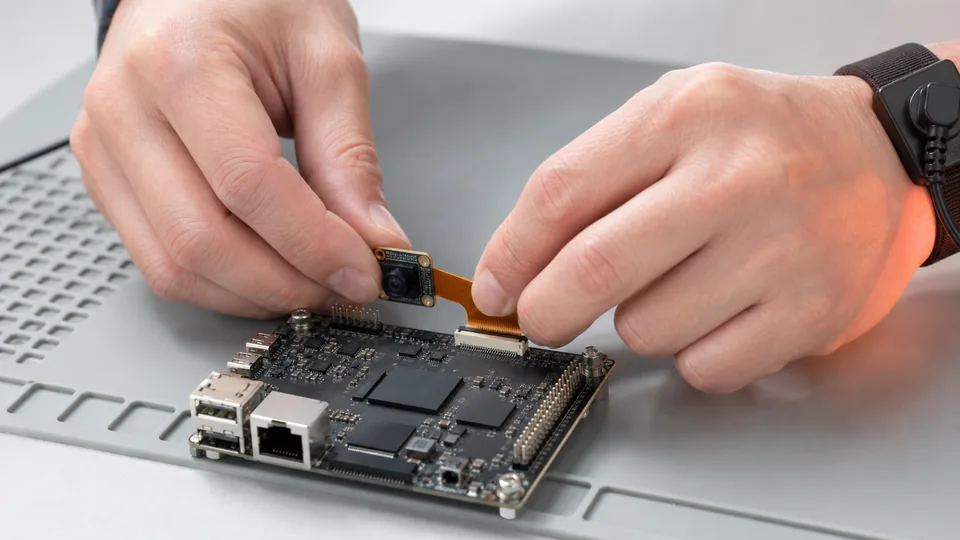
The evaluation board and customisable IP licensing validate model mapping, interfaces and the full system path. An engineering sample exists before the silicon does, so design-in and tape-out decisions rest on measurements.
01
Pick the route
Target model, performance and power goals, update cadence, interfaces. The first question is always: how often does the model change?
02
Evaluate
Run the model on the evaluation board, measure accuracy and throughput, and get a working engineering sample before any silicon is committed.
03
Design in
Interfaces, system software and field validation built around the evaluation results, turning the sample into a product prototype.
04
Deliver the ASIC
Once the model is frozen: a production chip, or the IP integrated into your own silicon.
FPGA Prototyping for LLM Accelerators: IP Licence to Tape-outRunning an LLM inference core on an FPGA before tape-out validates model mapping, interfaces and the system path. What an IP licence covers, step by step.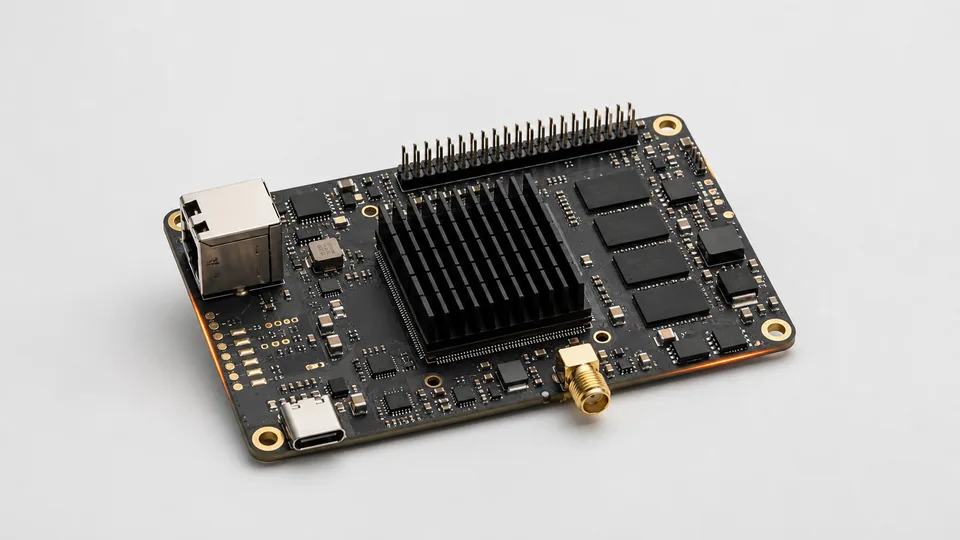 Qwen3.5 to Qwen3.8: Why Hybrid Attention Suits Edge SiliconQwen3.5, 3.6 and 3.8 interleave Gated DeltaNet linear attention with gated full attention at 3:1. Why that layout keeps memory in check on edge AI silicon.
 The Memory Wall: Why Edge LLMs Stall and How to Get Around ItLLM decoding is bandwidth-bound: every token reads all the weights, and edge devices cannot sustain that traffic. How high the wall is and how to get past it.
Tell us the target device, model and interfaces. We reply with IP coverage and an evaluation plan.