
Built for your model
Your model, your chip.
Your model, your chip. The same cores and routes, redefined around your model, power budget and volume.
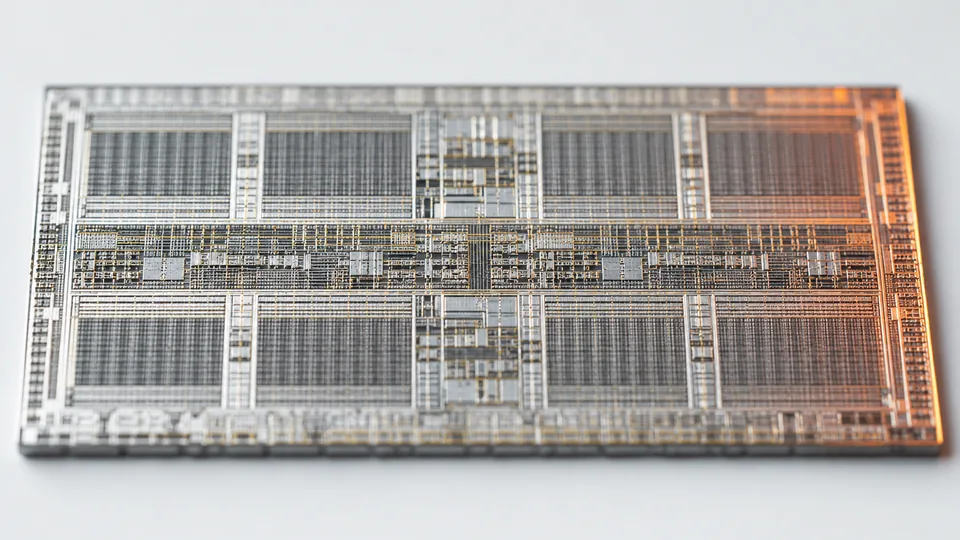
Built for your model
The first-generation chips came off this same line. Change the model and the power budget, and you get another chip.
Scope
- Model range
- 0.6B to 35B+, language, vision and multimodal
- Model families
- Qwen3.5 / 3.6 / 3.8, Qwen3, SmolLM2, SmolVLM, SegFormer, MoE and DeltaNet-style models
- Routes
- MaskROM CIM · SRAM CIM · near-memory compute
- Inference cores
- FS-Fusion · FS-Attention · FS-MoE · FS-Linear
- Vehicle
- Fanshi ASIC, or the cores integrated into your own SoC
- Process
- SMIC 28 nm
- First step
- Run the model on the evaluation board
- Package / interfaces
- Defined per project
Final specifications, interfaces, performance targets and commercial terms are confirmed in project documents.
Who it is for
- Frozen models shipping at volume
- Industry devices that need a chip of their own
- Teams with their own SoC adding LLM capability
Qwen3.5 → 3.6 → 3.8
Newer Qwen models, no new architecture.
Qwen3.6 and Qwen3.8 keep the Qwen3.5 hybrid layout, which Fanshi inference cores already map. A newer model in the same family is a new chip build, not a redesign.
From an email to a chip
01
Pick the route
Target model, performance and power goals, update cadence, interfaces. The first question is always: how often does the model change?
02
Evaluate
Run the model on the evaluation board, measure accuracy and throughput, and get a working engineering sample before any silicon is committed.
03
Design in
Interfaces, system software and field validation built around the evaluation results, turning the sample into a product prototype.
04
Deliver the ASIC
Once the model is frozen: a production chip, or the IP integrated into your own silicon.
Start with the chips that exist
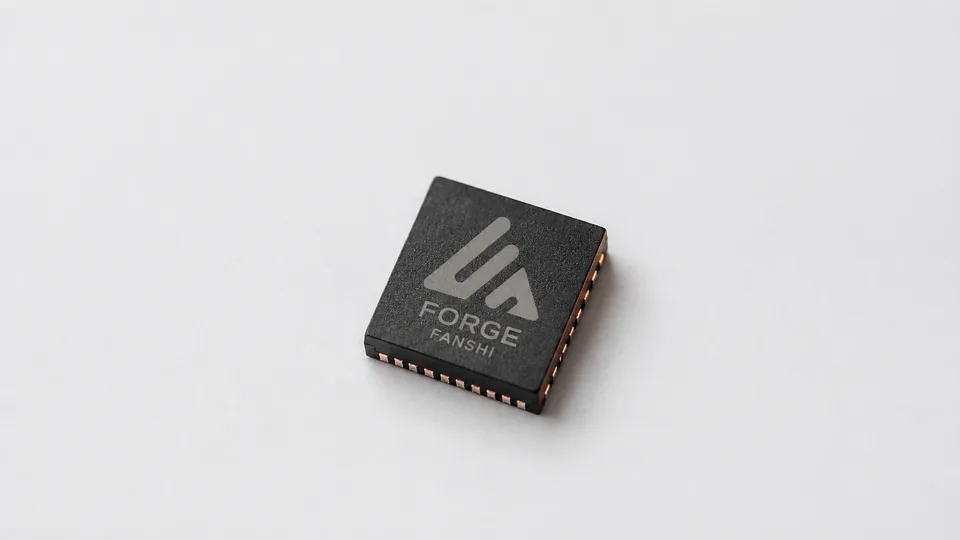
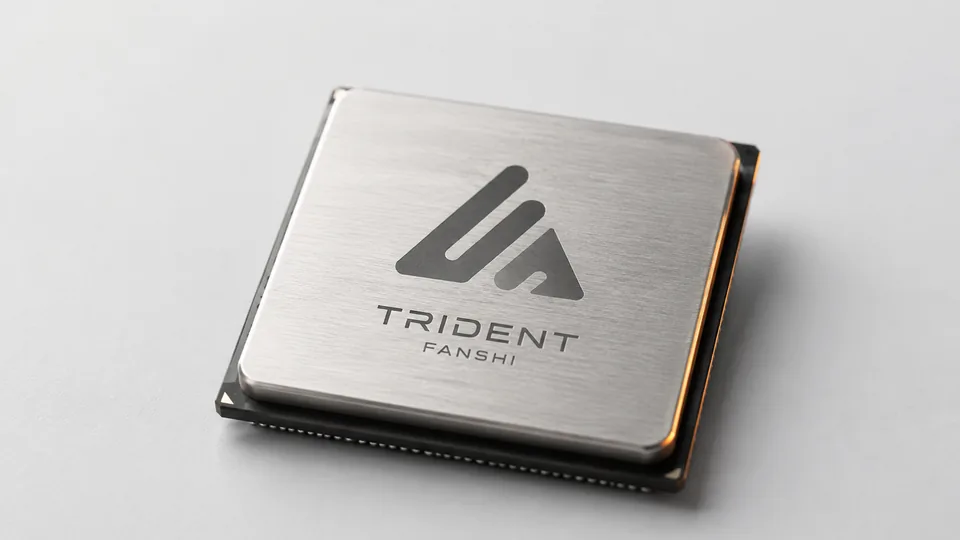
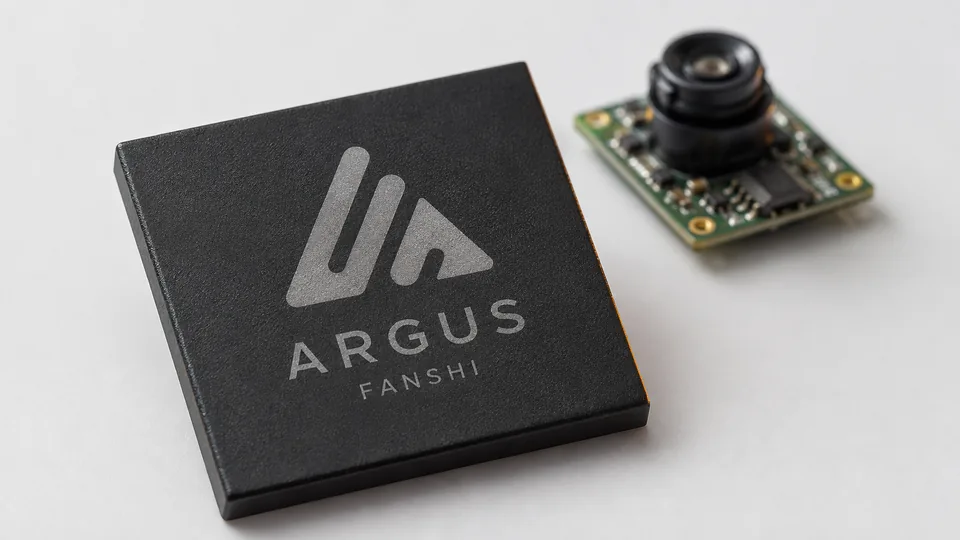
Further reading
- Model-on-Chip Explained: Hardwired LLM ASICs, Cloud vs EdgeA model-on-chip (hardwired LLM) ASIC fixes the weights of one model into silicon for order-of-magnitude gains in speed. How it works, what the Taalas HC1 showed, cloud versus edge, and what to ask a vendor.
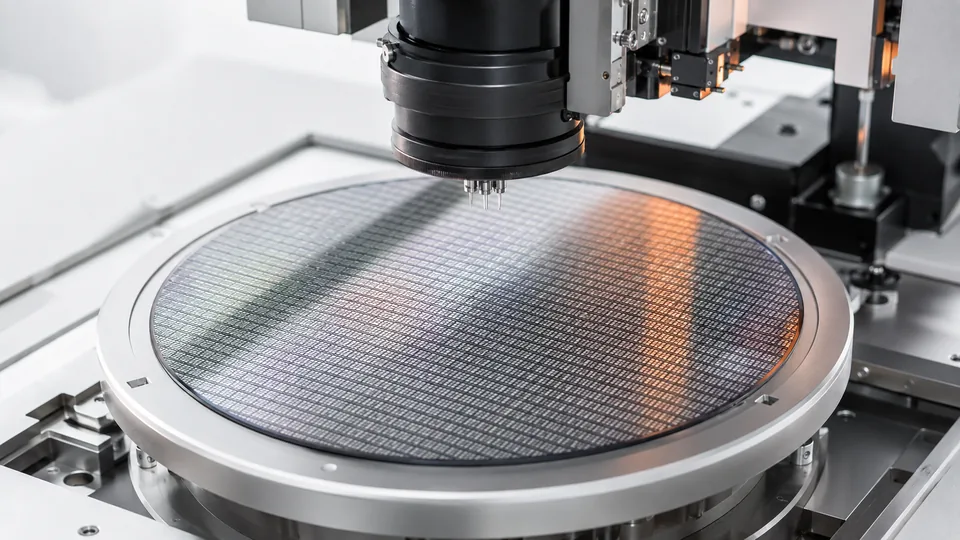 How to Choose an Edge LLM Inference Chip: 7 QuestionsChoosing an edge LLM inference chip comes down to model fit, power budget and how the model updates, not peak TOPS. Seven questions to answer, plus a checklist.
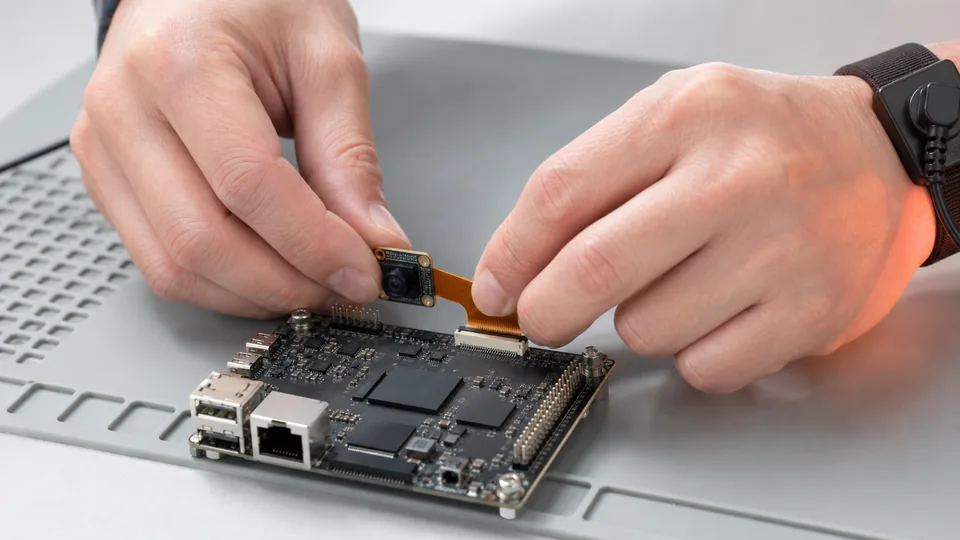 FPGA Prototyping for LLM Accelerators: IP Licence to Tape-outRunning an LLM inference core on an FPGA before tape-out validates model mapping, interfaces and the system path. What an IP licence covers, step by step.
Start from your model
Send the target model, performance and power goals, volume and timeline. We reply with a route recommendation and an evaluation plan.