
Flagship heavy-load chip
Trident
Run a 35B model locally at 15,000 token/s on a 70 W system budget.
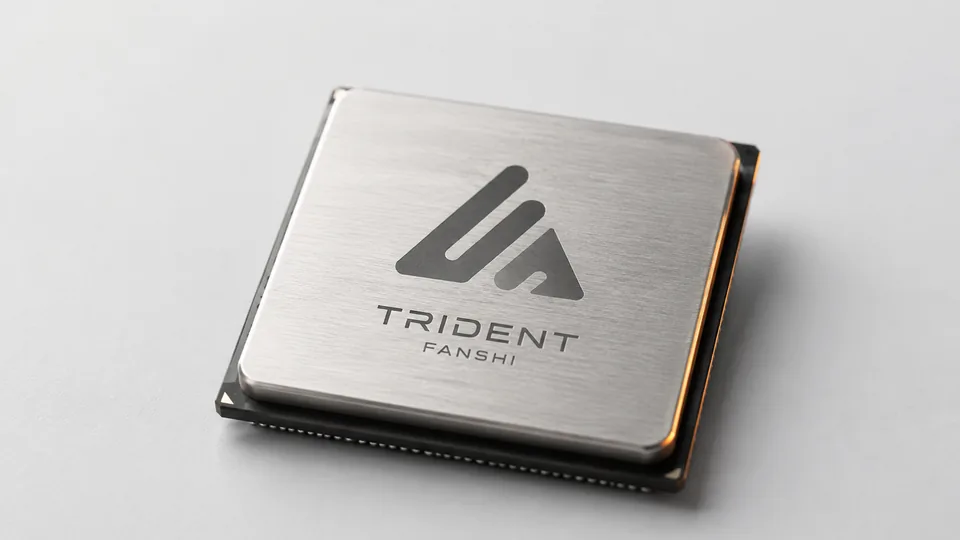
Flagship heavy-load chip
Near-memory compute: Weights sit in high-bandwidth memory right next to the compute, with on-chip streaming, so the model can keep evolving.
Specifications
- Core model
- Up to Qwen 3.5 35B
- Decode speed
- 15,000 token/s (design target)
- System power
- 70 W design target
- Route
- Near-memory compute
- Model updates
- Weights in external memory, can keep iterating
- Process
- SMIC 28 nm
- Package / interfaces
- Per project
- Development kit
- Evaluation board, SDK and model mapping tools
Figures on this page are current product definitions and design targets. Final specifications, test conditions, availability and delivery versions are confirmed in project documents agreed by both parties.
Typical applications
- Embodied robots
- Industrial edge servers
- Air-gapped and secure terminals
Inference runs locally and data is processed on the device; it works fully offline.
Qwen3.5 → 3.6 → 3.8
Newer Qwen models, no new architecture.
Qwen3.6 and Qwen3.8 keep the Qwen3.5 hybrid layout, which Fanshi inference cores already map. A newer model in the same family is a new chip build, not a redesign.
From an email to a chip
01
Pick the route
Target model, performance and power goals, update cadence, interfaces. The first question is always: how often does the model change?
02
Evaluate
Run the model on the evaluation board, measure accuracy and throughput, and get a working engineering sample before any silicon is committed.
03
Design in
Interfaces, system software and field validation built around the evaluation results, turning the sample into a product prototype.
04
Deliver the ASIC
Once the model is frozen: a production chip, or the IP integrated into your own silicon.
Further reading
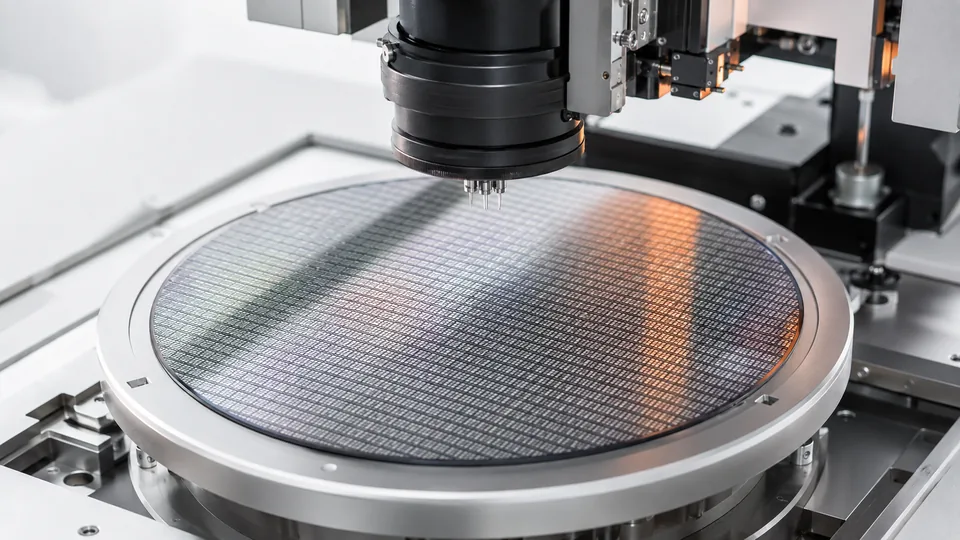 How to Choose an Edge LLM Inference Chip: 7 QuestionsChoosing an edge LLM inference chip comes down to model fit, power budget and how the model updates, not peak TOPS. Seven questions to answer, plus a checklist.
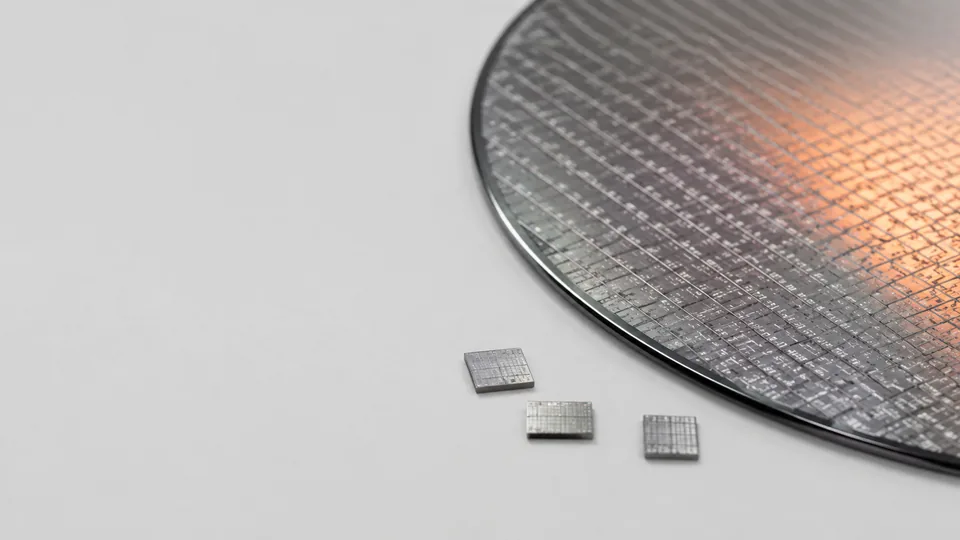 The Memory Wall: Why Edge LLMs Stall and How to Get Around ItLLM decoding is bandwidth-bound: every token reads all the weights, and edge devices cannot sustain that traffic. How high the wall is and how to get past it.
- LLM Inference Cost: API vs Cloud GPU vs Edge Chip Over 3 YearsCount LLM inference cost over three years: an API per token, a cloud GPU per hour, or an edge chip bought once. Methods, a worked example and payback.
Ask about Trident
Send the target model, performance and power goals, interfaces and timeline. We reply with a fit assessment and an evaluation plan.